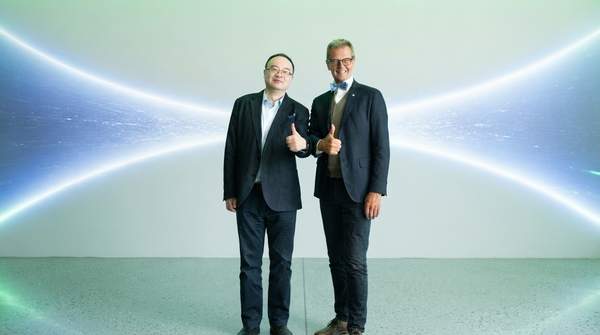
At NextRise 2026, Asia's largest startup fair, the Korea International Trade Association (KITA) inked a landmark deal with the Global System for Mobile Communications Association (GSMA). The landmark deal between KITA and GSMA signals a new era for Korean innovation on the global stage. The event, boasting 450 startups from 17 countries, was its largest yet, according to Kita. Yet, despite this massive scale and high-level partnership, the direct impact on most participating startups remains largely unproven.
Korea is strategically positioning itself as a central node in the global innovation network. This move will likely boost foreign investment and market access for its most competitive startups, but it also presents a challenge for broader ecosystem integration.
Details of the Landmark Partnership
KITA signed an MOU with GSMA on March 4th, according to Asiae Co Kr. The agreement targets mutual cooperation and joint projects between their startup platforms, En Sedaily reports. KITA also ran a Korea Pavilion with 20 domestic startups during MWC 4YFN.
This partnership isn't just a handshake; it's a strategic deepening of international ties through institutional channels. The focus on 'mutual cooperation' between 'startup platforms' suggests Korea prioritizes building foundational institutional bridges. Direct, immediate deal flow for individual startups appears to be a secondary or future outcome of these top-down efforts.
NextRise's Ascending Global Profile
Influential figures from major global tech events like VivaTechnology, IFA, and MWC are set to gather in Korea, according to Kita. The influx of global leaders solidifies NextRise's position as a critical platform for cross-border collaboration. It's a deliberate strategy by Korea to both showcase its domestic startups abroad and draw international players to its own events.
The push for 'global innovation hub' status is clearly orchestrated by national trade organizations like KITA, prioritizing high-level institutional partnerships. The Korean startup community, KITA, and international partners like GSMA are all beneficiaries of this strategic branding effort.
How Has NextRise Grown Internationally?
Germany's 47-member delegation to NextRise 2025, including 21 public institutions and startups, demonstrated sustained international interest, according to Kita. Germany's 47-member delegation to NextRise 2025, including 21 public institutions and startups, alongside KITA's reported record of 450 startups from 17 countries at NextRise 2026, confirms Korea's heavy investment in projecting a global innovation hub image.
However, the true success metric lies in tangible, long-term outcomes for these startups, not just event scale. For companies and investors eyeing the Korean startup sector, major events like NextRise offer broad exposure, but the primary drivers of international collaboration remain strategic, government-backed partnerships. Navigating institutional channels, rather than purely market-driven opportunities, is often key.
If Korea continues its top-down, institution-led approach to globalizing its startup ecosystem, increased foreign investment and market access for its most competitive startups will likely follow, albeit through structured channels rather than spontaneous market forces.