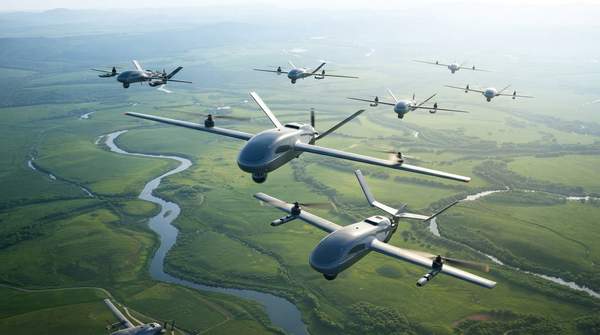
In 2026, supply chains are quietly becoming self-aware. Intelligent systems now make decisions across digital and physical environments, a shift that once required extensive human oversight. Supply chains, exposed as fragile during recent global crises, are rapidly evolving into intelligent, self-directed systems. This transformation builds proactive resilience and protects margins through algorithmic precision. Companies delaying comprehensive digital transformation and intelligent supply chain adoption face significant operational vulnerabilities and a widening competitive gap.
The Rise of Self-Directed Supply Networks
The shift to self-directed supply networks moves from human-centric management to autonomous decision-making and self-correction. Intelligent systems operate seamlessly across digital and physical environments, according to Supply & Demand Chain Executive. This integration provides real-time responsiveness and control. The continuous data flow between virtual models and physical operations fundamentally changes global goods movement, enabling dynamic adaptation and reducing manual adjustments.
Evidence from the Front Lines of Transformation
Rigorous research supports supply chain evolution. For instance, a study on sustainable supply chains involved 18 expert interviews following quantitative data analysis, as reported in Mdpi. This depth of investigation confirms observed shifts are grounded in robust data and expert insights, validating the transformation's empirical basis.
Beyond Efficiency: Embedding ESG and Financial Fortitude
Modern source-to-contract frameworks integrate strategic objectives beyond cost-efficiency. They embed ESG (Environmental, Social, and Governance) and regional multi-sourcing strategies, according to Procurement Magazine. These frameworks also protect margins amid tariff volatility and trade tensions. This combined approach means modern frameworks address complex geopolitical and environmental risks, directly impacting financial health and ethical standing. The new generation of supply chain frameworks builds resilience against these risks while securing financial stability.